ADA Transition Plans & Consulting
A clear, living roadmap from your current level of compliance to what’s required — built from your Self-Evaluation Report and easy for anyone on your team to read and act on.
The Transition Plan Spreadsheet
A Living Document, Not a Static Report
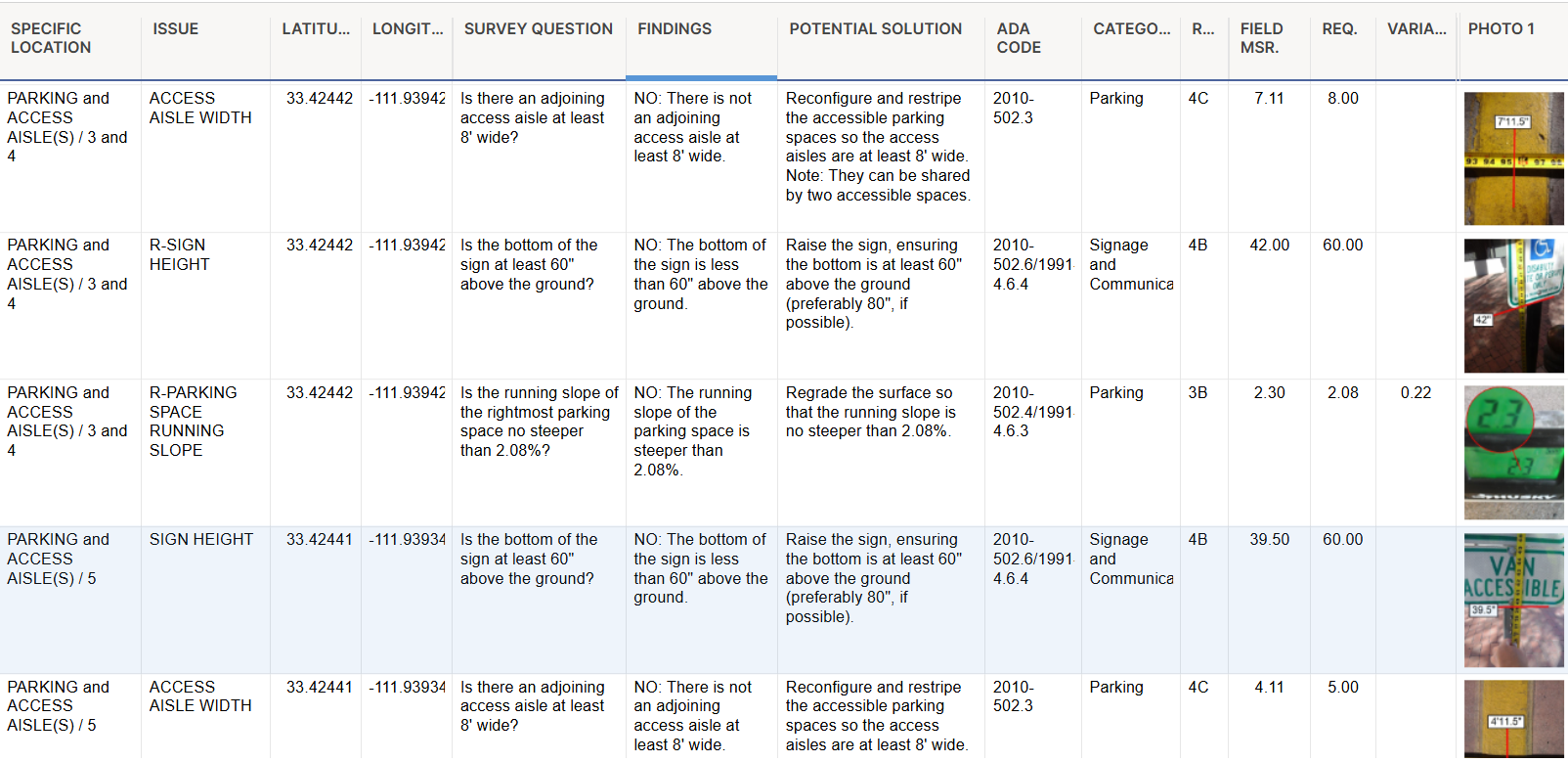
The Transition Plan Spreadsheet (TPS) is a combination of all items identified in the Self-Evaluation Report (SER) as non-compliant and includes potential solutions, as well as additional details. It is a cloud-based document that can include updates that the SER may not have and includes changes requested by each individual client. It is a separate live link that can remain live and/or be downloaded into Excel.
Fully Customizable
What the Living Document Includes
Every Transition Plan Spreadsheet is tailored to your organization’s needs, and can include:
Element Issue
Survey Question
Findings
Potential Solution(s)
ADA and/or Applicable Building Code(s)
Rating and Ranking
If an Asset or Maintenance is Needed
Estimated Costs
Actual Costs
Responsible Party
Findings Picture (if preferred)
Budget for completion, then final costs
Responsible party making modifications
Miscellaneous items requested by the client
After Picture
Current Status to Track Progress
Every effort is made to keep the SER and TPS as accurate as possible — each is a snapshot of conditions examined at the time of the self-evaluation, referenced against the 1991 and/or 2010 ADA Standards for Accessible Design.
How Items Are Scored
Complexity Rating & Priority Ranking
Every finding gets two scores — how complex the fix is, and how urgently it needs attention.
Putting It Together
Complexity & Priority in Practice
Every finding gets a combined score, like 4A or 3C. Here’s what that looks like in the field.
4A — Door hardware needing replacement from a knob to a handle. Not a complex fix (4), but a high priority (A), since lack of access into a room is urgent.
3C — A mirror that needs to be relocated to 40″ from the floor. This may or may not be complex depending on how it’s mounted (3), but isn’t high priority, since a mirror that’s too high doesn’t block access to a sink or toilet.
Parking Lot Examples
- 4: Install or raise compliant parking lot signage (Priority B or C, depending on how low)
- 3: Restripe a lot to ensure compliant space and access aisle widths (Priority A or B, depending on the existing space)
- 2: Resurface a lot to correct slope and drainage issues affecting access (Priority A or B, depending on the slope)
Restroom Examples
- 4: An ADA stall needing compliant handles on both sides of the door (Priority A)
- 3: An ADA stall with less than 32″ of entryway clearance, requiring a wider opening and door (Priority A or B, depending on current width)
- 2: An ADA toilet positioned too close to the wall, requiring plumbing to be moved (Priority A or B, depending on the distance)
Self-Evaluation Reports are delivered electronically and can be viewed in an HTML format that includes enlargeable photos and video of findings, or provided as a PDF.
See It in Action
Inside the Transition Plan Spreadsheet
Views your team can filter by rating, category, assigned staff, or timeline — however you work best.
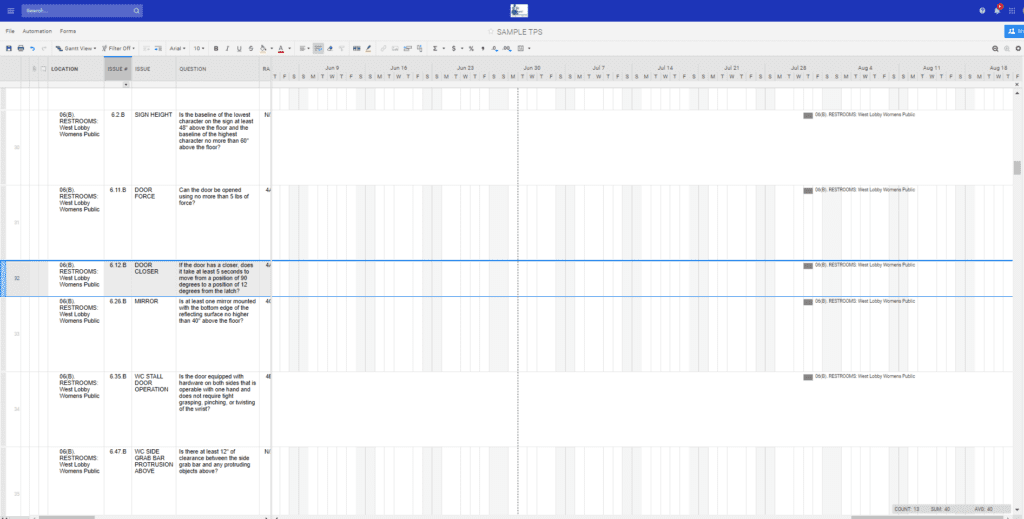
Gantt view — timeline of planned modifications
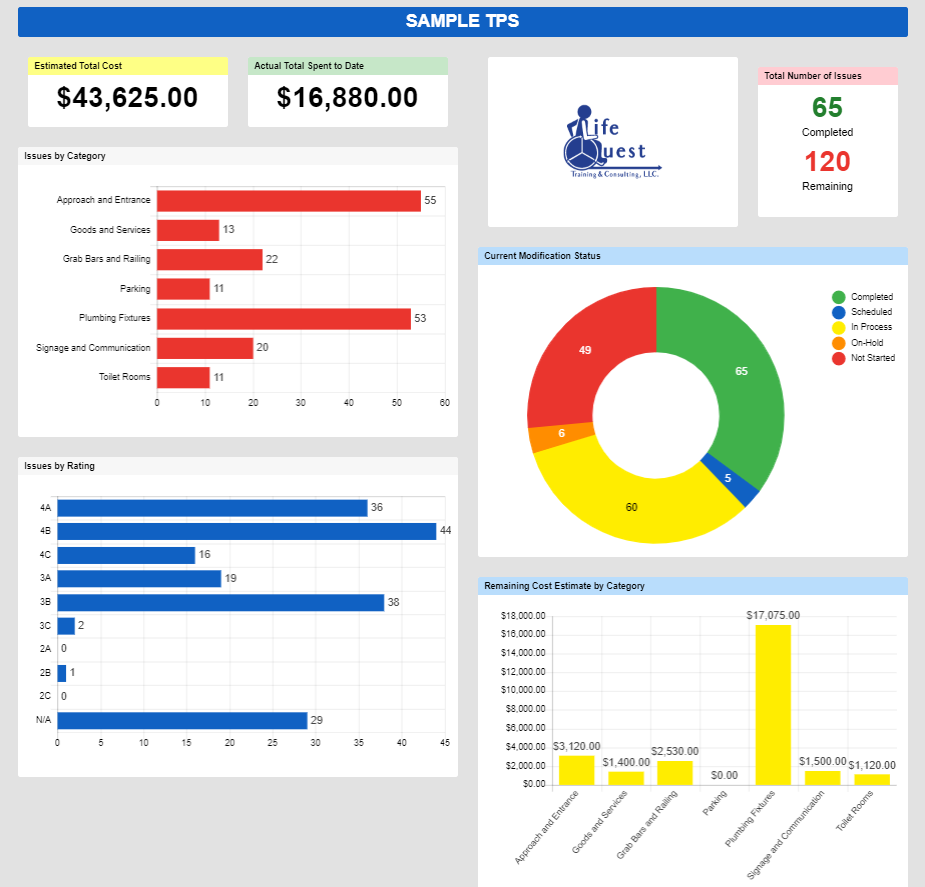
Dashboard — compliance metrics at a glance
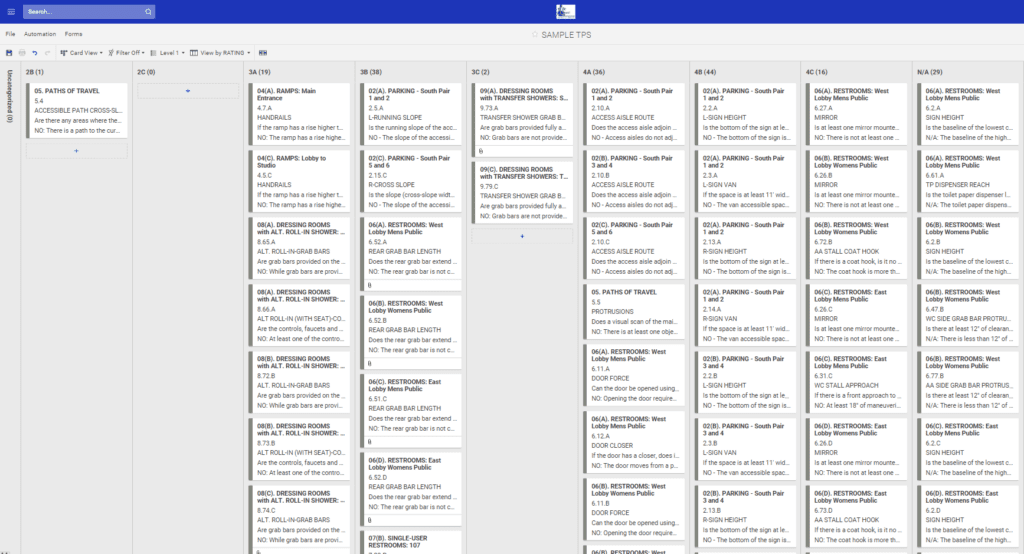
Card view, organized by rating
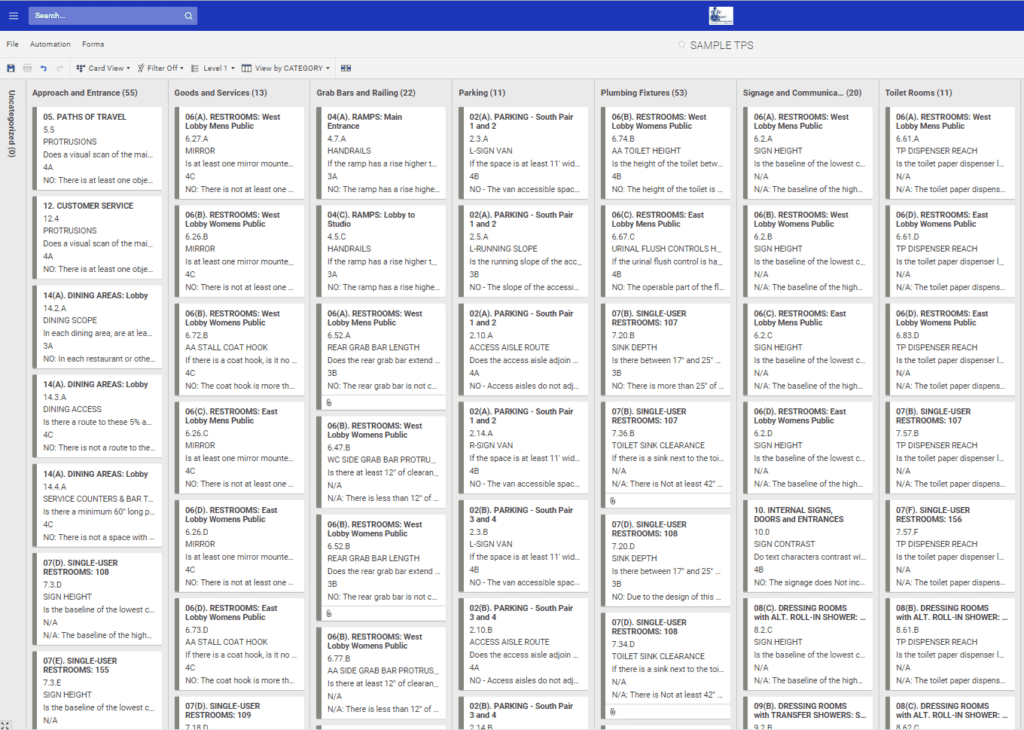
Card view, organized by category
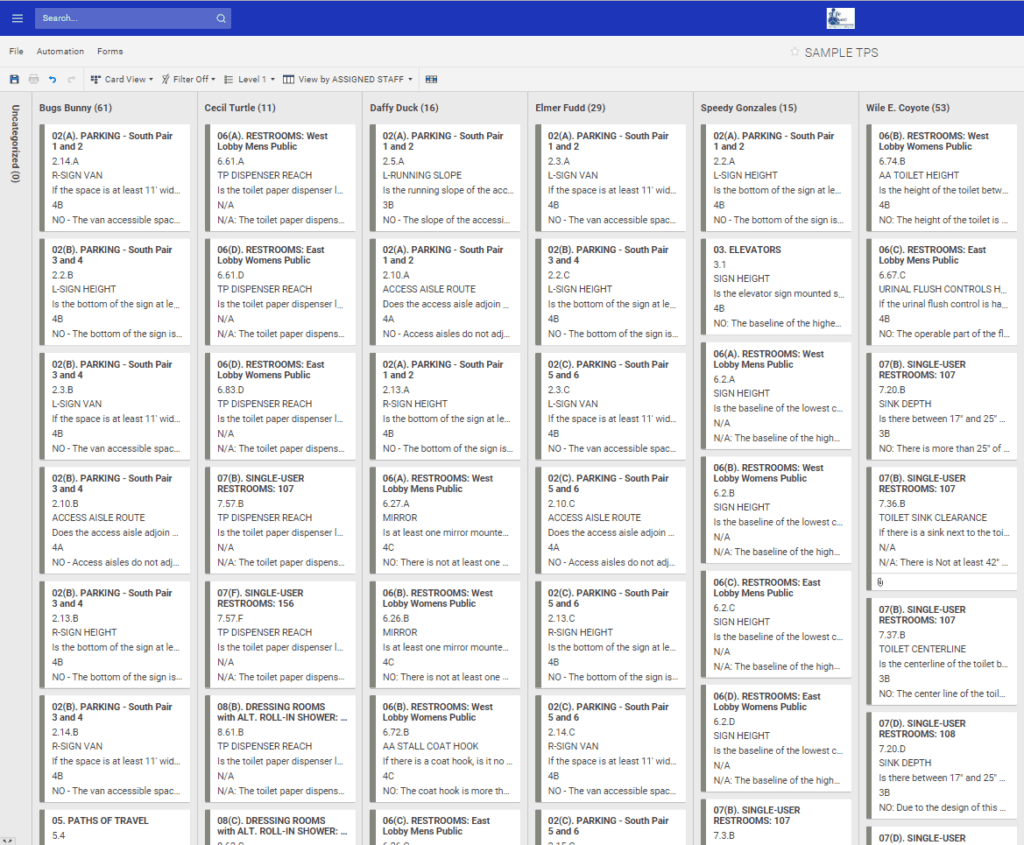
Card view, organized by assigned staff
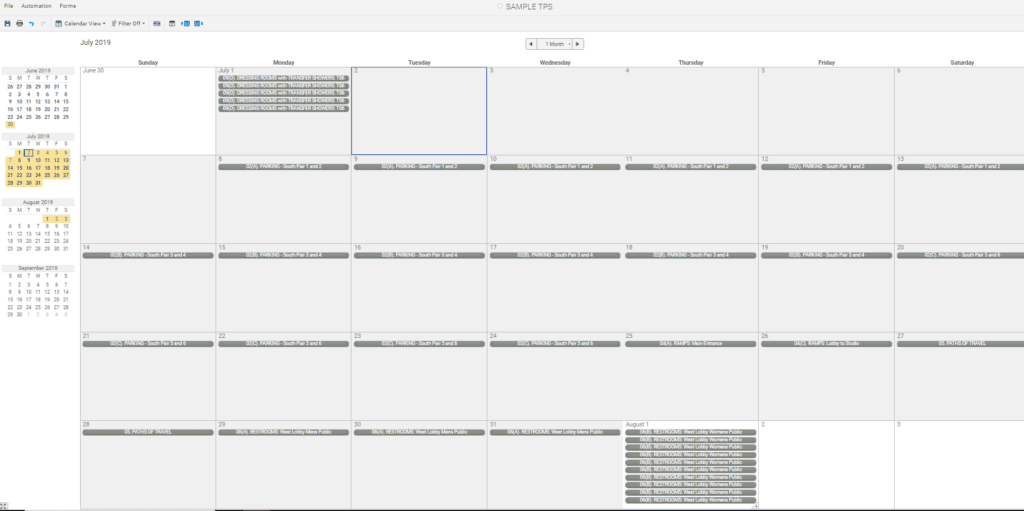
Calendar view — completion dates at a glance
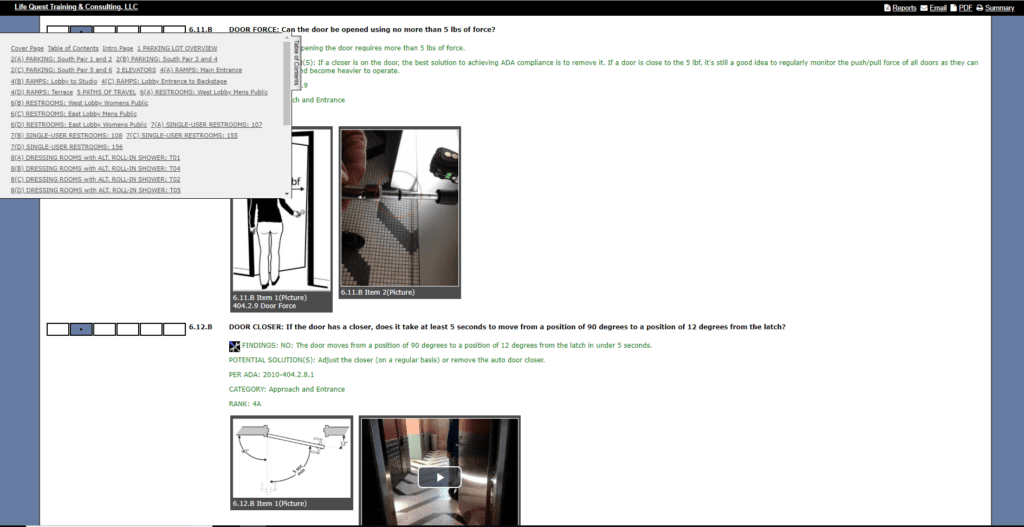
Self-Evaluation Report sample
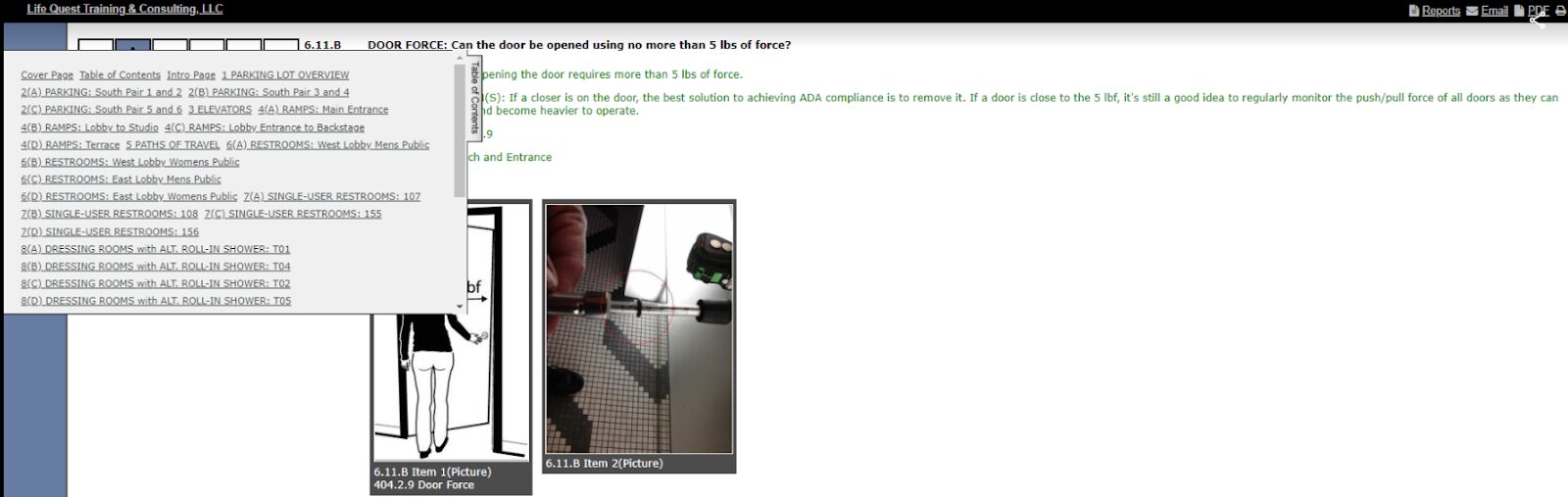
Self-Evaluation Report, organized by chapter
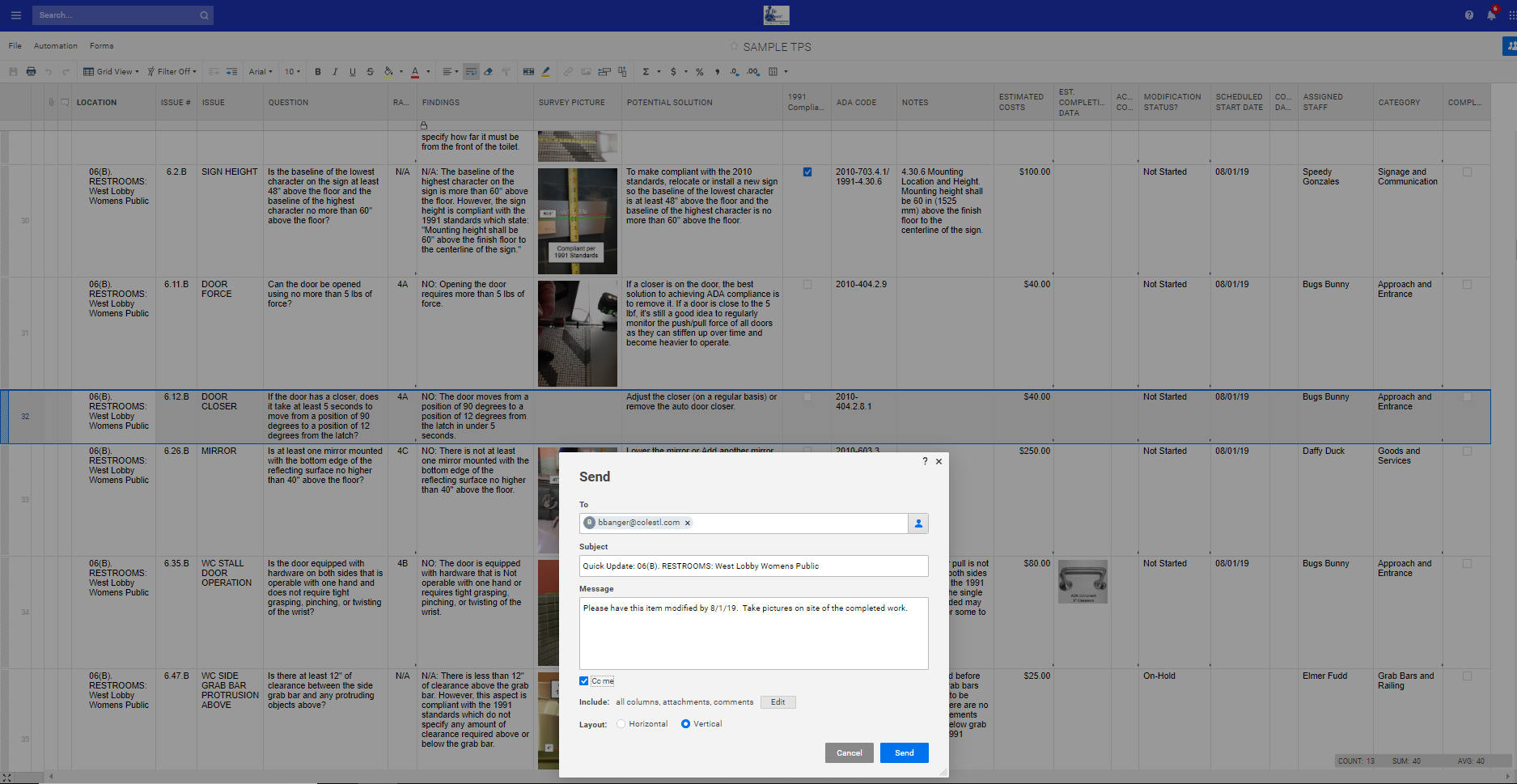
Tracking rows through to completion
Previous Projects
Consulting Beyond the Spreadsheet
Continued services can include site plan reviews and consulting on products that support the greatest level of compliance and access.

2009
Arizona ADA Coordinators Conference
“Very knowledgeable speakers. They gave valuable info that was empowering and motivational.”
Meeting people and building connections for future resource sharing. Getting individual questions and needs addressed. Wonderful resources-CD’s, handouts, websites, etc. Appreciate recycling and vegetarian food.
October 2010
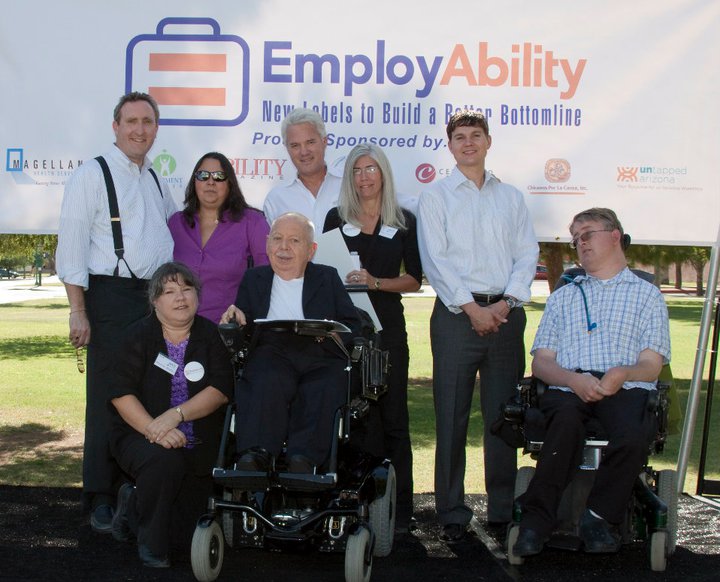
Employ-Ability Rally, Arizona State Capitol
Local and nationally known speakers from grassroots, business, and government will: Celebrate the transformative power of achieving the American right to decent work and fair treatment.
Build “Disability Confident” employers by making an effective business case for the advantages of working with this diverse workforce.
Share the potential of harnessing the largest and most underserved American minority through voter registration, market-specific branding, and innovative product/service creation.
Bring public attention to the lifespan issues of adults with disabilities associated with work, health care, housing, and community connectedness.
Ready to Build Your Transition Plan?
Let’s turn your assessment findings into a clear, living roadmap your whole team can act on.