
When most Venue Managers think of “ADA Compliance,” they panic about construction budgets. They picture tearing out concrete ramps, widening elevator shafts, and spending millions on renovations.
But the data from 2025 tells a different story.
The most common complaints guests filed last year weren’t about the architecture. They were about Operations. They were about the day-to-day decisions your staff makes after the building is open.
Here are the top 3 accessibility mistakes venues made in 2025, and the low-cost ways you can fix them before your 2026 season kicks off.
Mistake #1: The “Temporary” Barrier
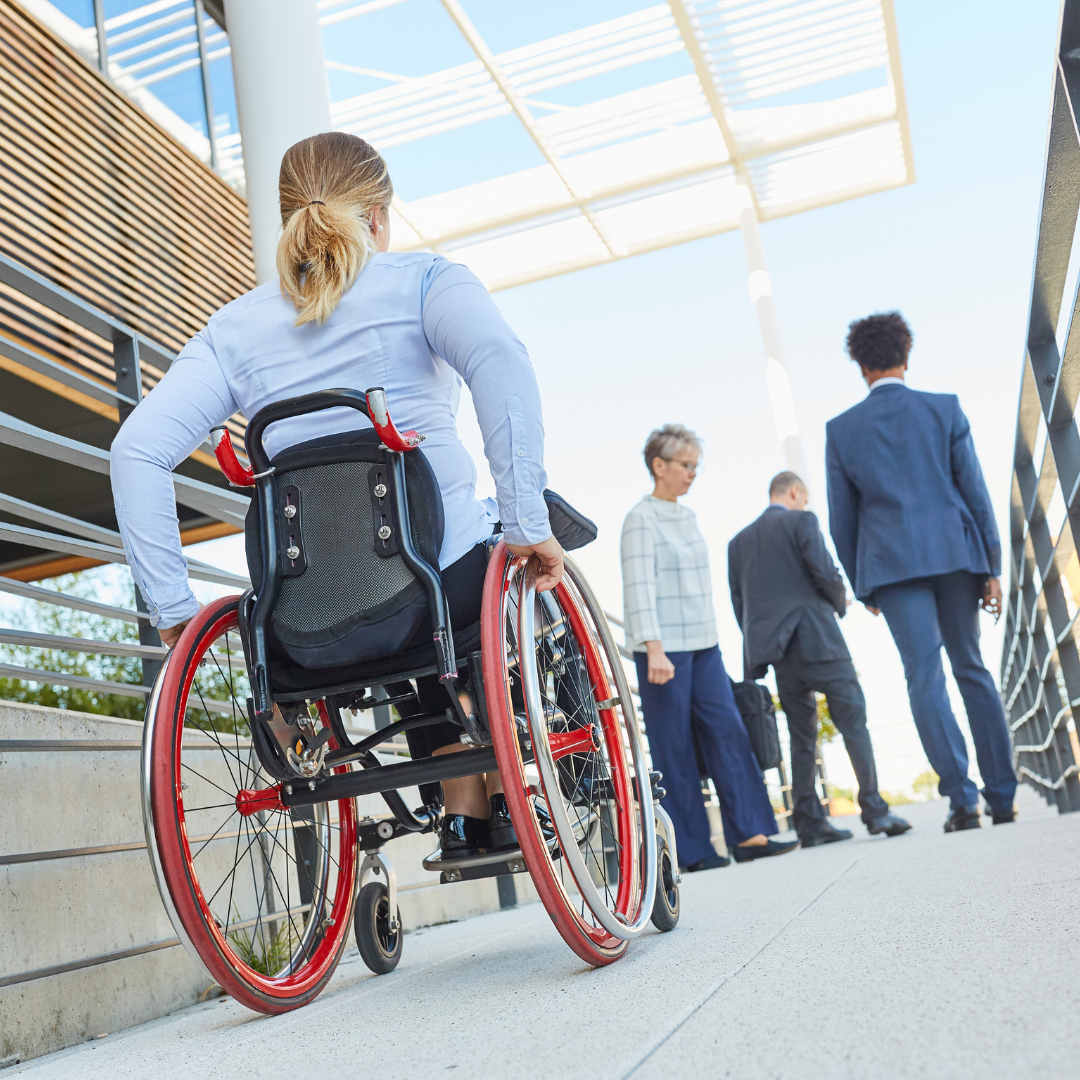
The Scenario: You have a perfectly compliant accessible route. The ramp is the right grade; the door width is perfect. But on game day, your maintenance crew places a 50-gallon trash can right at the base of the ramp. Or, a sponsor sets up a pop-up banner that blocks the button for the automatic door opener.
The Problem: Under the ADA, this falls under “Maintenance of Accessible Features.” A compliant feature that is blocked is no longer compliant.
The 2026 Fix:
- Walk the path: Before doors open, have one staff member walk the entire accessible route from the parking lot to the seat.
- Zone Training: Train your ushers and security staff that the “Accessible Route” is a no-parking zone for equipment, trash cans, and standing room crowds.
Mistake #2: The “Service Animal” Interrogation
The Scenario: A guest approaches the security checkpoint with a dog. Your security guard, trying to be thorough, asks, “Do you have papers for that dog?” or “Why do you need the dog?”
The Problem: This was a leading cause of friction in 2025. Under the ADA, certification papers are not required, and asking for them is a violation of the guest’s civil rights. You also cannot ask about the person’s specific disability.
The 2026 Fix: Print this on a card for every security guard. They are allowed to ask only two questions:
- Is the dog a service animal required because of a disability?
- What work or task has the dog been trained to perform?
If the guest answers these, and the dog is under control, they are in. Period.
(Need to train your seasonal staff on this? Contact us about our Game Day Staff Training module.)
Mistake #3: The “Website vs. Reality” Disconnect
The Scenario: A guest checks your venue’s website. It says, “Accessible Seating Available.” They arrive at the venue, head to the box office to buy a ticket, and the staff member says, “Oh, we only sell those seats over the phone,” or “We don’t know which seats are accessible.”
The Problem: Information dispersion. If a guest cannot buy an accessible seat with the same ease and during the same hours as a standard seat, your venue is creating a barrier to entry.
The 2026 Fix:
- Audit your inventory: Ensure your box office system and your third-party sellers clearly label accessible seats (and make sure your seating is labelled correctly! Wheelchair seating and designated aisle seats should not all be marked as the same kind of “accessible”).
- Empower the Box Office: Give your ticket sellers a cheat sheet of exactly where the accessible seats are, including companion seating, so they don’t have to “call a manager” to sell a ticket.
The Good News
If you noticed a theme here, it’s this: None of these fixes require a contractor.
You don’t need to pour concrete to fix these mistakes. You need training.
Operational accessibility is about culture, not construction. It’s about ensuring your staff knows why the rules exist and how to execute them with hospitality in mind.
Ready to get your staff up to speed?
Don’t wait for a complaint to file a report. Start your journey to operational excellence today.